21 November 2026
Dry moss, preserved moss, and living moss compared
Presented by @quietgreenwalls
When you are choosing moss for an indoor display, it helps to understand the three main forms you will come across: dry moss, preserved moss, and living moss. Each behaves differently, and the one that works best depends on where you plan to place it, how much care you can give it, and the look you want to achieve. This article compares the three options so you can decide which suits your project.
What each form is
Dry moss is simply moss that has been air-dried or kiln-dried with no further treatment. It is brittle, light, and can be rehydrated if you want to use it as a growing medium. Dry moss is common in gardening and terrarium work, but it does not stay flexible or green for long once it dries out completely.
Preserved moss is moss that has been treated with a glycerin-based solution to replace the water in the plant cells. This process keeps the moss soft and supple, and it retains its color for years without needing water or light. Preserved moss is the standard choice for wall art and decorative panels because it stays looking fresh with no maintenance.
Living moss is still alive and actively growing. It needs indirect light, regular misting, and good air circulation. It will spread over time if conditions are right, but it can also turn brown or moldy if the environment is too damp or too dry.
Appearance and texture
Dry moss, when left untreated, tends to be tan or brown. Even if you buy it green, it will fade as it dries. The texture is crisp and crumbly. It can work in a rustic or naturalistic setting, but it does not give the lush, soft look most people want for a wall display.
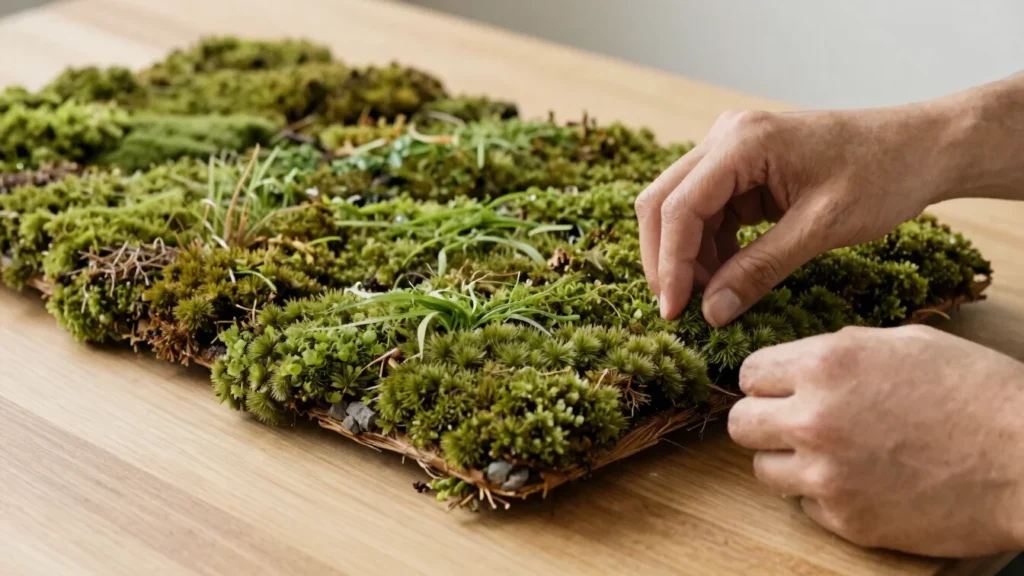
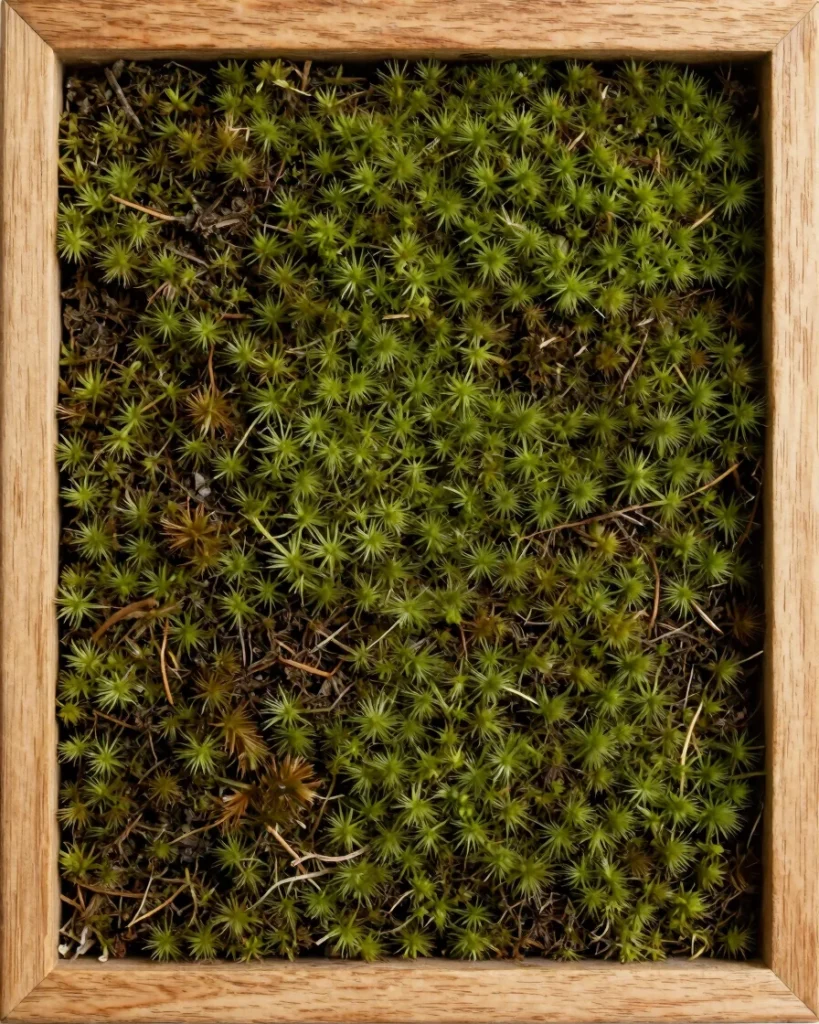
Preserved moss keeps its original shape and color. Reindeer moss, cushion moss, and sheet moss are common types used in preserved form. The color variation is wide, from deep forest greens to muted greys, and some preserved moss is dyed to add brighter tones. The surface feels soft and slightly spongy. Because the moss is flexible, you can press it into frames or glue it onto backing boards without it cracking.
Living moss has the richest, most vibrant green when healthy, but that appearance depends entirely on your care routine. It can look patchy or dull if it does not get enough moisture or light. Living moss also grows in three dimensions, which gives a natural depth, but it can be harder to keep flat and even on a vertical surface.
Maintenance differences
Dry moss requires no maintenance once it is installed, provided you are happy with its dried look. If you want to rehydrate it for a terrarium or a project where you hope to encourage growth, you will need to soak it and keep it damp, which adds work.
Preserved moss is the lowest-maintenance option for decorative use. It does not need water, fertiliser, or light. The only thing to avoid is direct sunlight, which can fade the color over time. Dust can settle on the surface, but a gentle blast of air from a hairdryer on a cool setting or a soft brush is usually enough to clean it. This makes preserved moss a practical choice for commercial spaces, offices, and homes where you want greenery without a watering schedule.
Living moss demands regular attention. You will need to mist it every few days, ensure it gets indirect light, and keep the room humidity above a certain level. It can be rewarding if you enjoy plant care, but it is not a set-and-forget material. Many people find that living moss on a wall is difficult to keep healthy because the vertical orientation makes it hard for water to soak in evenly.
When to choose each one
Dry moss is best suited to projects where you are using it as a base for other plants, such as in a terrarium or a kokedama ball. It is also fine for craft projects where the look does not need to stay green. For a wall display, dry moss is rarely the first choice because of its brittle texture and brown colour.
Preserved moss is the standard for wall art, moss panels, and any interior display where you want a green, natural look without upkeep. The term preserved moss art covers exactly this kind of work: arranging preserved moss in a frame or on a board to create a living-wall effect that stays fresh for years. If you are considering prepared moss for home displays, preserved moss is the form most commonly used because it balances appearance with practicality. It is also the safest choice if you are new to working with moss or if the display will be in a spot that is hard to reach for watering.
Living moss is for dedicated plant enthusiasts who have the right conditions and the time to care for it. It works well in a closed terrarium or a greenhouse cabinet where humidity stays high. On an open wall, it is a challenge. A few people succeed by using a misting system and choosing a very humid room, but most find that preserved moss gives a better result with far less effort.
How preserved moss is made
Preserved moss starts as living moss that is harvested sustainably. The moss is dried, then soaked in a mixture of glycerin, water, and plant-safe dyes. The glycerin replaces the water inside the cells, making the moss soft and preventing it from decomposing. After the treatment, the moss can be dyed to achieve a consistent colour or to add unusual tones like lime green or teal. The result is a material that looks and feels alive but is chemically stable.
Because preserved moss is no longer alive, it will not grow, spread, or change shape. That is an advantage for art because the design stays exactly as you arranged it. It also means you can use it in low-light corners where no living plant would survive.
Common uses for each type
Dry moss is often used as a lining for hanging baskets, as a soil topper in potted plants, or as a base for floral arrangements. It is also used in some terrariums to hold moisture for other plants.
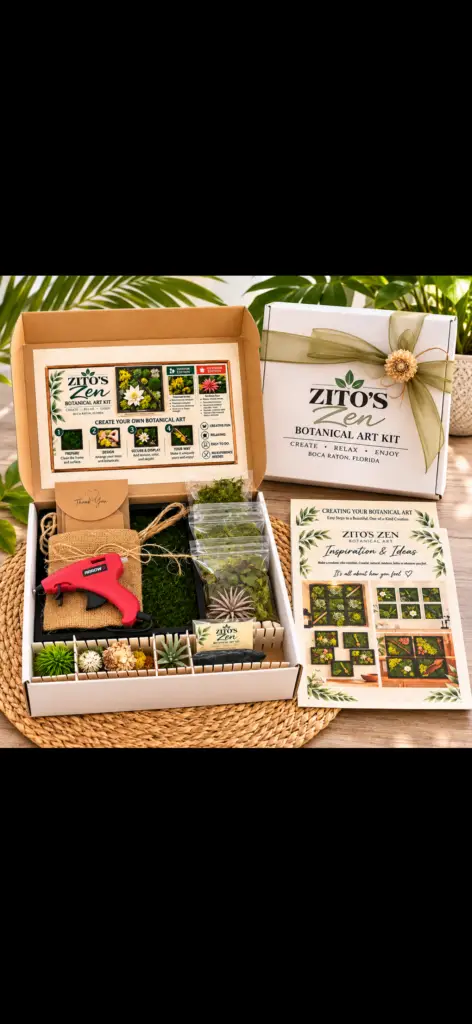
Preserved moss appears in wall art, moss frames, moss logos for offices, event backdrops, and retail displays. It is also popular for DIY kits that include a wood frame and a selection of preserved sheet moss, cushion moss, and reindeer moss. If you are researching prepared moss for home displays, you will find that preserved moss kits are the most common product on the market because they deliver a polished result with no ongoing care.
Living moss is used in bioactive terrariums, vivariums for reptiles or amphibians, and outdoor moss gardens in shady, damp spots. It is also grown on rocks and bark for bonsai displays.
What to watch out for
With dry moss, the main risk is that it will shed small pieces and create a mess. It can also contain soil or debris that you may need to shake out before use.
Preserved moss is generally clean and easy to handle, but the dye can sometimes transfer to your hands or to light-coloured surfaces if the moss gets wet. That is not a problem for a dry indoor display, but it is something to keep in mind if you plan to mount it near a window where condensation might form. Also, preserved moss should not be exposed to rain or direct misting, as the glycerin can leach out and the colour may run.
Living moss brings the risk of mould, pests, and uneven growth. If the wall behind it is not waterproof, moisture from the moss can damage the paint or drywall. You also need to make sure the moss gets the right light: too little and it fades, too much and it scorches.
Making your choice
Think about the location, the look you want, and how much time you are willing to spend. If the display is in a living room or office where you want a lasting green feature, preserved moss is the most practical route. If you enjoy tending plants and have a bright, humid spot, living moss can be a satisfying project. Dry moss has its uses, but for a wall art piece it is rarely the best option.
The decision comes down to whether you want a display that stays the same for years or one that grows and changes. Both have their place, and knowing the difference between dry, preserved, and living moss will help you pick the right material for your next project.